Antibacterial activity of Apis mellifera bees honey, garlic extracts and their combinations against Salmonella in Wolayta Sodo, Southern Ethiopia
DOI:
https://doi.org/10.70347/svsthya.v1i2.25Keywords:
Apis mellifera, antibacterial agents, honey, Allium sativum, drug resistance, one healthAbstract
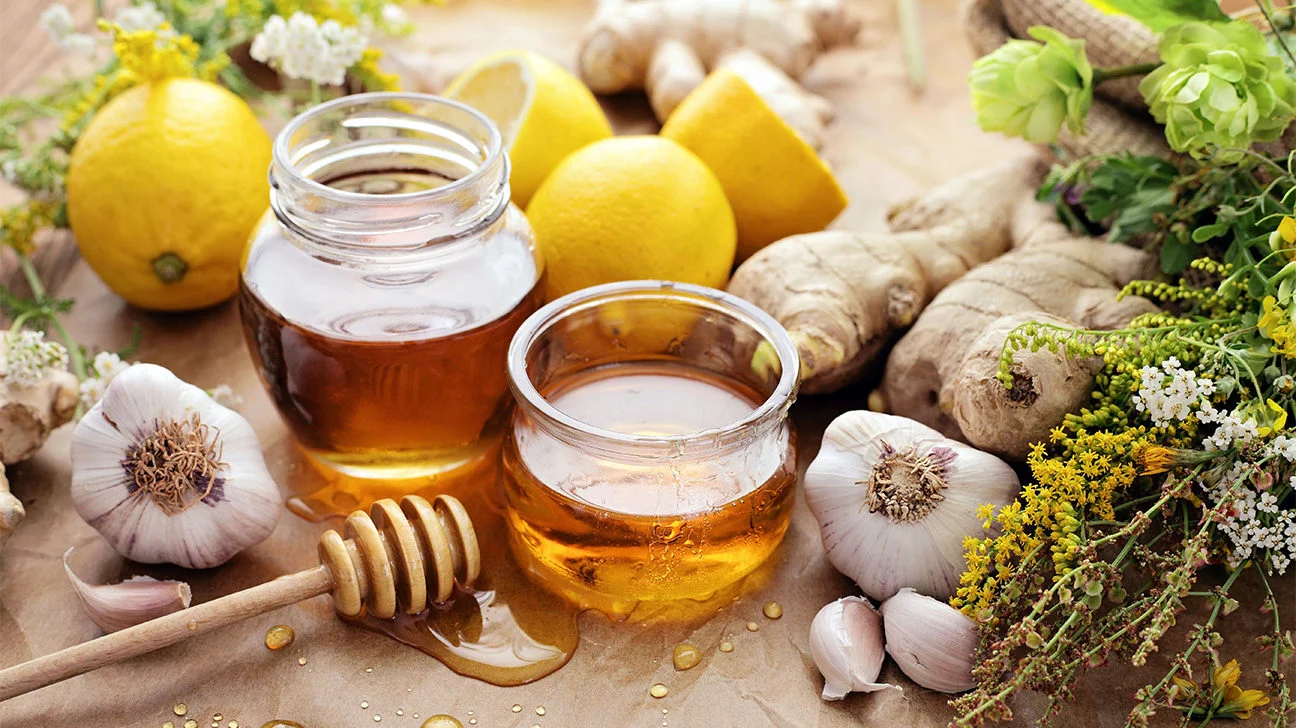
The global emergence of antibiotic-resistant Salmonella strains poses a significant threat to public health, necessitating the development of alternative antimicrobial agents. Although natural substances, such as honey and garlic, have shown promise in combating various pathogens, their efficacy against Salmonella, particularly in combination, remains understudied. This study aimed to evaluate the antibacterial activity of Apis mellifera honey, garlic extracts, and their combination against Salmonella in Wolayta Sodo, southern Ethiopia. Aqueous honey and garlic extracts were prepared at concentrations of 25, 50, and 100 g/100 mL. Antibacterial activity against Salmonella was assessed via the agar well diffusion method to measure zones of inhibition. The efficacies of honey, garlic, and their combinations were compared at different concentrations. All the data were statistically analyzed via one-way ANOVA, with a probability of 0.05 and a 95% significance level, via SPSS Inc. Chicago, IL version 21.0. Honey exhibited the strongest antibacterial activity against Salmonella, with inhibition zones ranging from 13.67 mm to 26.33 mm across all concentrations. Garlic extracts showed moderate efficacy, producing inhibition zones between 12.00 mm and 15.67 mm. Unexpectedly, the combination of honey and garlic did not have synergistic effects and consistently underperformed compared with honey alone. The antibacterial activity of all the treatments was concentration dependent, with the highest efficacy observed at 100 g/100 mL (P<0.001). This study provides evidence of the potent antibacterial activity of Apis mellifera honey against Salmonella, which surpasses that of garlic extracts alone or in combination. These findings highlight the potential of honey as a natural antimicrobial agent, particularly at high concentrations.
Downloads
References
Waktole H, Ayele Y, Ayalkibet Y, Teshome T, Muluneh T, Ayane S, et al. Prevalence, molecular detection, and antimicrobial resistance of Salmonella isolates from poultry farms across Central Ethiopia: A cross-sectional study in urban and peri-urban areas. Microorganisms 2024;12:767. https://doi.org/10.3390/microorganisms12040767.
Ejo M, Garedew L, Alebachew Z, Worku W. Prevalence and antimicrobial resistance of Salmonella isolated from animal-origin food items in Gondar, Ethiopia. Biomed Res Int 2016;2016:1–8. https://doi.org/10.1155/2016/4290506.
Noman Z, Anika T, Sachi S, Ferdous J, Sarker Y, Sabur M, et al. Evaluation of antibacterial efficacy of garlic (Allium sativum) and ginger (Zingiber officinale) crude extract against multidrug-resistant (MDR) poultry pathogen. J Adv Vet Anim Res 2023;10:151. https://doi.org/10.5455/javar.2023.j664.
Si Z, Pethe K, Chan-Park MB. Chemical basis of combination therapy to combat antibiotic resistance. JACS Au 2023;3:276–92. https://doi.org/10.1021/jacsau.2c00532.
Guedes BN, Krambeck K, Durazzo A, Lucarini M, Santini A, Oliveira MBPP, et al. Natural antibiotics against antimicrobial resistance: sources and bioinspired delivery systems. Braz J Microbiol 2024;55:2753–66. https://doi.org/10.1007/s42770-024-01410-1.
Helmy YA, Taha-Abdelaziz K, Hawwas HAE-H, Ghosh S, AlKafaas SS, Moawad MMM, et al. Antimicrobial resistance and recent alternatives to antibiotics for the control of bacterial pathogens with an emphasis on foodborne pathogens. Antibiotics 2023;12:274. https://doi.org/10.3390/antibiotics12020274.
Bayan L, Koulivand PH, Gorji A. Garlic: a review of potential therapeutic effects. Avicenna J Phytomed 2014;4:1–14. https://www.ncbi.nlm.nih.gov/pmc/articles/PMC4103721/
Arawwawala M, Hewageegana S. Health benefits and traditional uses of honey: a review. J Apitherapy 2017;2:9. https://doi.org/10.5455/ja.20170208043727.
Eteraf-Oskouei T, Najafi M. Traditional and modern uses of natural honey in human diseases: a review. Iran J Basic Med Sci 2013;16:731–42. https://www.ncbi.nlm.nih.gov/pmc/articles/PMC3758027/
Abdallah EM, Alhatlani BY, de Paula Menezes R, Martins CHG. Back to nature: medicinal plants as promising sources for antibacterial drugs in the post-antibiotic era. Plants 2023;12:3077. https://doi.org/10.3390/plants12173077.
Verma T, Aggarwal A, Dey P, Chauhan AK, Rashid S, Chen K-T, et al. Medicinal and therapeutic properties of garlic, garlic essential oil, and garlic-based snack food: An updated review. Front Nutr 2023;10:1120377. https://doi.org/10.3389/fnut.2023.1120377.
Gull I, Saeed M, Shaukat H, Aslam SM, Samra Z. Inhibitory effect of Allium sativum and Zingiber officinale extracts on clinically important drug-resistant pathogenic bacteria. Ann Clin Microbiol Antimicrob 2012;11:8. https://doi.org/10.1186/1476-0711-11-8.
Tadesse B, Ali DA. Prevalence and antimicrobial resistance of salmonellae isolated from eggs of local chicken in selected towns of Ethiopia. Vet Med Sci 2024;10:1529. https://doi.org/10.1002/vms3.1529.
Tan W, Tian Y, Zhang Q, Miao S, Wu W, Miao X, et al. Antioxidant and antibacterial activity of Apis laboriosa honey against Salmonella enterica serovar Typhimurium. Front Nutr 2023;10:1181492. https://doi.org/10.3389/fnut.2023.1181492.
Arteaga V, Lamas A, Regal P, Vázquez B, Miranda JM, Cepeda A, et al. Antimicrobial activity of apitoxin from Apis mellifera in Salmonella enterica strains isolated from poultry and its effects on motility, biofilm formation and gene expression. Microb Pathog 2019;137:103771. https://doi.org/10.1016/j.micpath.2019.103771.
Ankri S, Mirelman D. Antimicrobial properties of allicin from garlic. Microbes Infect 1999;1:125–9. https://doi.org/10.1016/S1286-4579(99)80003-3.
Thakur P, Dhiman A, Kumar S, Suhag R. Garlic (Allium sativum L.): A review on bio-functionality, allicin’s potency and drying methodologies. S Afr J Bot 2024;171:129–46. https://doi.org/10.1016/j.sajb.2024.05.039.
Zhou Y Bin, Xiao YY, Chao JJ, Ma L. In vitro activity of Allicin alone and in combination with antifungal drugs against microsporum canis isolated from patients with Tinea Capitis. Front Med (Lausanne) 2021;8:783086. https://doi.org/10.3389/fmed.2021.783086.
Hossain ML, Lim LY, Hammer K, Hettiarachchi D, Locher C. Honey-based medicinal formulations: a critical review. Appl Sci 2021;11:5159. https://doi.org/10.3390/app11115159.
Abdulrhman M, Samir Elbarbary N, Ahmed Amin D, Saeid Ebrahim R. Honey and a mixture of honey, beeswax, and olive oil–propolis extract in treatment of chemotherapy-induced oral mucositis: a randomized controlled pilot study. Pediatr Hematol Oncol 2012;29:285–92. https://doi.org/10.3109/08880018.2012.669026.
Combarros-Fuertes P, Fresno JM, Estevinho MM, Sousa-Pimenta M, Tornadijo ME, Estevinho LM. Honey: another alternative in the fight against antibiotic-resistant bacteria? Antibiotics 2020;9:774. https://doi.org/10.3390/antibiotics9110774.
Lischer K, Mustika IP, Sahlan M, Guslianto BW. Isolation and antibacterial activity of honey bee venom bioactive from Apis cerana. Int J Technol 2022;13:1778. https://doi.org/10.14716/ijtech.v13i8.6122.
Gadge AS, Shirsat D V., Soumia PS, Pote CL, Pushpalatha M, Pandit TR, et al. Physiochemical, biological, and therapeutic uses of stingless bee honey. Front Sustain Food Syst 2024;7:1324385. https://doi.org/10.3389/fsufs.2023.1324385.
Parmanik A, Das S, Kar B, Bose A, Dwivedi GR, Pandey MM. Current treatment strategies against multidrug-resistant bacteria: a review. Curr Microbiol 2022;79:388. https://doi.org/10.1007/s00284-022-03061-7.
Kumar V, Yasmeen N, Pandey A, Ahmad Chaudhary A, Alawam AS, Ahmad Rudayni H, et al. Antibiotic adjuvants: synergistic tool to combat multi-drug resistant pathogens. Front Cell Infect Microbiol 2023;13:1293633. https://doi.org/10.3389/fcimb.2023.1293633.
Tesfaye A. Revealing the therapeutic uses of garlic (Allium sativum) and Its potential for drug discovery. Sci World J 2021;2021:1–7. https://doi.org/10.1155/2021/8817288.
Guo NL, Lu DP, Woods GL, Reed E, Zhou GZ, Zhang LB, et al. Demonstration of the anti-viral activity of garlic extract against human cytomegalovirus in vitro. Chin Med J (Engl) 1993;106:93–6. https://pubmed.ncbi.nlm.nih.gov/8389276/
Andualem B. Combined antibacterial activity of stingless bee (Apis mellipodae) honey and garlic (Allium sativum) extracts against standard and clinical pathogenic bacteria. Asian Pac J Trop Biomed 2013;3:725–31. https://doi.org/10.1016/S2221-1691(13)60146-X.
Mohapatra DP, Thakur V, Brar SK. Antibacterial efficacy of raw and processed honey. Biotechnol Res Int 2011;2011:1–6. https://doi.org/10.4061/2011/917505.
Kozłowska M, Ścibisz I, Przybył JL, Laudy AE, Majewska E, Tarnowska K, et al. Antioxidant and antibacterial activity of extracts from selected plant material. Appl Sci 2022;12:9871. https://doi.org/10.3390/app12199871.
Jorgensen JH, Turnidge JD. Susceptibility Test methods: dilution and disk diffusion methods. Manual of Clinical Microbiology, Washington, DC, USA: ASM Press; 2015, p. 1253–73. https://doi.org/10.1128/9781555817381.ch71.
Ewnetu Y, Lemma W, Birhane N. Antibacterial effects of Apis mellifera and stingless bees honeys on susceptible and resistant strains of Escherichia coli, Staphylococcus aureus and Klebsiella pneumoniae in Gondar, Northwest Ethiopia. BMC Complement Altern Med 2013;13:269. https://doi.org/10.1186/1472-6882-13-269.
Paulus AY, Sulaeman, Mayasari AC, Ayu JD, Musniati N, Sari MP, et al. Biostatistika Epidemiologi. 1st ed. Bandung: CV. Media Sains Indonesia; 2023.
Liu Z-F, Fang F, Dong Y-S, Li G, Zhen H. Experimental study on the prevention and treatment of murine cytomegalovirus hepatitis by using allitridin. Antiviral Res 2004;61:125–8. https://doi.org/10.1016/S0166-3542(03)00087-1.
Melguizo-Rodríguez L, García-Recio E, Ruiz C, De Luna-Bertos E, Illescas-Montes R, Costela-Ruiz VJ. Biological properties and therapeutic applications of garlic and its components. Food Funct 2022;13:2415–26. https://doi.org/10.1039/D1FO03180E.
Petrovska B, Cekovska S. Extracts from the history and medical properties of garlic. Pharmacogn Rev 2010;4:106. https://doi.org/10.4103/0973-7847.65321.
Bello AB, Suleiman A, Atteh EO, Olutimanyin TA. Antibacterial Effect of Allium sativum and Zingiber officinale Extracts on Some Clinically Pathogenic Bacteria. J Appl Sci Environ Manage 2023;27:1077–83. https://doi.org/10.4314/jasem.v27i6.5.
Barbu IA, Ciorîță A, Carpa R, Moț AC, Butiuc-Keul A, Pârvu M. Phytochemical characterization and antimicrobial activity of several Allium extracts. Molecules 2023;28:3980. https://doi.org/10.3390/molecules28103980.
Tiamiyu AM, Okocha RC, Okunlade OA, Olatoye IO, Adedeji OB. Phytochemical constituents, nutritional and antibacterial potentials of selected medicinal plants (Allium sativum, Chromolaena odorata, and Talinum triangulare). Trad Med J 2023;28:1. https://doi.org/10.22146/mot.78700.
Popławska NA, Śliz J, Skorupska M, Czeczotka MJ, Woźniak K. Garlic (Allium sativum L.): a review of varied health benefits. J Educ, Health and Sport 2024;72:51512. https://doi.org/10.12775/JEHS.2024.72.51512.
Molan PC. Potential of honey in the treatment of wounds and burns. Am J Clin Dermatol 2001;2:13–9. https://doi.org/10.2165/00128071-200102010-00003.
Nolan VC, Harrison J, Cox JAG. Dissecting the antimicrobial composition of honey. Antibiotics 2019;8:251. https://doi.org/10.3390/antibiotics8040251.
Kuok C-F, Hoi S-O, Hoi C-F, Chan C-H, Fong I-H, Ngok C-K, et al. Synergistic antibacterial effects of herbal extracts and antibiotics on methicillin-resistant Staphylococcus aureus : A computational and experimental study. Exp Biol Med 2017;242:731–43. https://doi.org/10.1177/1535370216689828.
Lorca G, Ballestero D, Langa E, Pino-Otín MR. Enhancing antibiotic efficacy with natural compounds: synergistic activity of tannic acid and nerol with commercial antibiotics against pathogenic bacteria. Plants 2024;13:2717. https://doi.org/10.3390/plants13192717.
Stavropoulou E, Voidarou C (Chrysa), Rozos G, Vaou N, Bardanis M, Konstantinidis T, et al. Antimicrobial evaluation of various honey types against carbapenemase-producing gram-negative clinical isolates. Antibiotics 2022;11:422. https://doi.org/10.3390/antibiotics11030422.
Burton GP, Prescott TAK, Fang R, Lee MA. Regional variation in the antibacterial activity of a wild plant, wild garlic (Allium ursinum L.). Plant Physiol Biochem 2023;202:107959. https://doi.org/10.1016/j.plaphy.2023.107959.
Bahmani M, Abbasi J, Mohsenzadegan A, Sadeghian S, Ahangaran MG. Allium sativum L.: the anti-immature leech (Limnatis nilotica) activity compared to Niclosomide. Comp Clin Path 2013;22:165–8. https://doi.org/10.1007/s00580-011-1380-7.
Giday M, Ameni G. An ethnobotanical survey of plants of veterinary importance in two woredas of Southern Tigray, Northern Ethiopia. Ethiop J Sci 2005;26:123–36. https://doi.org/10.4314/sinet.v26i2.18208.
Al-Kafaween MA, Alwahsh M, Mohd Hilmi AB, Abulebdah DH. Physicochemical characteristics and bioactive compounds of different types of honey and their biological and therapeutic properties: a comprehensive review. Antibiotics 2023;12:337. https://doi.org/10.3390/antibiotics12020337.
Calixto JB. Efficacy, safety, quality control, marketing and regulatory guidelines for herbal medicines (phytotherapeutic agents). Braz J Med Biol Res 2000;33:179–89. https://doi.org/10.1590/S0100-879X2000000200004.
Daka P, Xu Z, Alexa A, Wang H. Primary amine-metal Lewis acid bifunctional catalysts based on a simple bidentate ligand: direct asymmetric aldol reaction. Chem Comm 2011;47:224–6. https://doi.org/10.1039/C0CC00917B.
Scepankova H, Combarros-Fuertes P, Fresno JM, Tornadijo ME, Dias MS, Pinto CA, et al. Role of honey in advanced wound care. Molecules 2021;26:4784. https://doi.org/10.3390/molecules26164784.
Quirantes-Piné R, Sanna G, Mara A, Borrás-Linares I, Mainente F, Picó Y, et al. Mass spectrometry characterization of honeydew honey: a critical review. Foods 2024;13:2229. https://doi.org/10.3390/foods13142229.
Kasiotis KM, Baira E, Iosifidou S, Manea-Karga E, Tsipi D, Gounari S, et al. Fingerprinting chemical markers in the mediterranean orange blossom honey: UHPLC-HRMS metabolomics study integrating melissopalynological analysis, GC-MS and HPLC-PDA-ESI/MS. Molecules 2023;28:3967. https://doi.org/10.3390/molecules28093967.
Romário-Silva D, Alencar SM, Bueno-Silva B, Sardi J de CO, Franchin M, Carvalho RDP de, et al. Antimicrobial activity of honey against oral microorganisms: Current reality, methodological challenges and solutions. Microorganisms 2022;10:2325. https://doi.org/10.3390/microorganisms10122325.
Koulis GA, Tsagkaris AS, Aalizadeh R, Dasenaki ME, Panagopoulou EI, Drivelos S, et al. Honey phenolic compound profiling and authenticity assessment using HRMS targeted and untargeted metabolomics. Molecules 2021;26:2769. https://doi.org/10.3390/molecules26092769.
Krishnakumar GS, Mahendiran B, Gopalakrishnan S, Muthusamy S, Malarkodi Elangovan S. Honey based treatment strategies for infected wounds and burns: A systematic review of recent pre-clinical research. Wound Med 2020;30:100188. https://doi.org/10.1016/j.wndm.2020.100188.
Aala F, Yusuf UK, Jamal F, Khodavandi A. In vitro antifungal activity of allicin alone and in combination with two medications against Trichophyton rubrum. World J Microbiol Biotechnol 2010;26:2193–8. https://doi.org/10.1007/s11274-010-0404-9.
Adeniji OO, Nontongana N, Okoh JC, Okoh AI. The potential of antibiotics and nanomaterial combinations as therapeutic strategies in the management of multidrug-resistant infections: a review. Int J Mol Sci 2022;23:15038. https://doi.org/10.3390/ijms232315038.
Iseppi R, Mariani M, Condò C, Sabia C, Messi P. Essential oils: a natural weapon against antibiotic-resistant bacteria responsible for nosocomial infections. Antibiotics 2021;10:417. https://doi.org/10.3390/antibiotics10040417.
Downloads
Published
How to Cite
Issue
Section
License
Copyright (c) 2024 Rediet Wolde, Samatar Abshir Mahamed

This work is licensed under a Creative Commons Attribution-NonCommercial-NoDerivatives 4.0 International License.
This license enables reusers to copy and distribute the material in any medium or format in unadapted form only, for noncommercial purposes only, and only so long as attribution is given to the creator.