Chandipura viral encephalitis: A re-emerging threat to public health and regional security in South Asia
DOI:
https://doi.org/10.70347/svsthya.v2i2.82Keywords:
Chandipura virus, Emerging infectious disease, Encephalitis, Disease outbreaks, Vectorborne diseases, Global health surveillanceAbstract
Chandipura viral encephalitis (CHPV) has emerged as a significant public health challenge in South Asia, particularly in pediatric populations, with alarming mortality rates. This review synthesizes the current knowledge about the impact of CHPV on human health and healthcare systems. A comprehensive analysis of the published literature, outbreak reports, and clinical studies was conducted to evaluate the epidemiology, clinical manifestations, diagnostic approaches, and treatment strategies of CHPV. CHPV has a distinct predilection for children under 15 years of age, with case fatality rates ranging from 55–70% in severe pediatric cases. Disease progression is characterized by the rapid onset of symptoms, typically evolving from initial influenza-like manifestations to severe neurological complications within 48 h. The clinical presentations include high-grade fever, altered consciousness, seizures, and various neurological deficits. Diagnostic challenges persist, particularly in resource-limited settings, despite advances in molecular detection methods. Treatment remains primarily supportive, with a focus on managing severe complications and maintaining vital organ function. Socioeconomic impacts are substantial, with catastrophic healthcare costs affecting vulnerable populations and straining healthcare systems in endemic regions. The reemergence of CHPV poses serious challenges to public health systems, particularly in resource-limited settings. Rapid progression of the virus, high mortality rates, and significant socioeconomic burden necessitate enhanced surveillance systems, improved diagnostic capabilities, and strengthened healthcare infrastructure. The priority areas for intervention include developing point-of-care diagnostics, establishing standardized treatment protocols, and implementing sustainable vector control programs.
Downloads
References
Wang S, Li W, Wang Z, Yang W, Li E, Xia X, et al. Emerging and reemerging infectious diseases: global trends and new strategies for their prevention and control. Signal Transduct Target Ther 2024;9:223. https://doi.org/10.1038/s41392-024-01917-x.
Patel M, Goel AD, Bhardwaj P, Joshi N, Kumar N, Gupta MK, et al. Emerging and re-emerging viral infections in India. J Prev Med Hyg 2021;62:E628–34. https://doi.org/10.15167/2421-4248/jpmh2021.62.3.1899.
Hoffman SA, Maldonado YA. Emerging and re-emerging pediatric viral diseases: a continuing global challenge. Pediatr Res 2024;95:480–7. https://doi.org/10.1038/s41390-023-02878-7.
Van Ranst M. Chandipura virus: an emerging human pathogen? The Lancet 2004;364:821–2. https://doi.org/10.1016/S0140-6736(04)16995-X.
Sapkal GN, Sawant PM, Mourya DT. Chandipura viral encephalitis: a brief review. Open Virol J 2018;12:44–51. https://doi.org/10.2174/1874357901812010044.
Brisse ME, Ly H. Chandipura virus causing large viral encephalitis outbreaks in India. Pathogens 2024;13:1110. https://doi.org/10.3390/pathogens13121110.
Chadha MS, Arankalle VA, Jadi RS, Joshi M V, Thakare JP, Mahadev PVM, et al. An outbreak of Chandipura virus encephalitis in the eastern districts of Gujarat state, India. Am J Trop Med Hyg 2005;73:566–70. https://doi.org/10.4269/ajtmh.2005.73.566.
Rao B, Basu A, Wairagkar NS, Gore MM, Arankalle VA, Thakare JP, et al. A large outbreak of acute encephalitis with high fatality rate in children in Andhra Pradesh, India, in 2003, associated with Chandipura virus. The Lancet 2004;364:869–74. https://doi.org/10.1016/S0140-6736(04)16982-1.
Mondal A, Bhattacharya R, Ganguly T, Mukhopadhyay S, Basu A, Basak S, et al. Elucidation of functional domains of Chandipura virus Nucleocapsid protein involved in oligomerization and RNA binding: Implication in viral genome encapsidation. Virology 2010;407:33–42. https://doi.org/10.1016/j.virol.2010.07.032.
Tandale B V., Tikute SS, Arankalle VA, Sathe PS, Joshi M V., Ranadive SN, et al. Chandipura virus: A major cause of acute encephalitis in children in North Telangana, Andhra Pradesh, India. J Med Virol 2008;80:118–24. https://doi.org/10.1002/jmv.21041.
Shanmugaraj B. Epidemiology and clinical characteristics of Chandipura virus. Journal of Zoonotic Diseases 2025;9:651–7. https://doi.org/10.22034/jzd.2024.18395.
Banerjee I, Robinson J, Roy B, Upreti D, Singh AP, Banerjee I. Chandipura virus outbreak in India: A tropical nightmare. J Biomed Sci 2024;11:4–6. https://doi.org/10.3126/jbs.v11i1.69236.
Debnath R, Chawla PA. Chandipura virus: The 2024 resurgence and Gujarat outbreak. Asian Pac J Trop Biomed 2024;14:507–13. https://doi.org/10.4103/apjtb.apjtb_538_24.
Kanabar B, Malek S, Piparva K. Temporal trends in outbreaks of chandipura viral infection in India: a systematic review. Cureus 2024;16:e68097. https://doi.org/10.7759/cureus.68097.
Kumar N, Bondre VP. Re-emergence of Chandipura virus infection in India. Virulence 2024;15:2421218. https://doi.org/10.1080/21505594.2024.2421218.
Waafira A, Subbaram K, Faiz R, Naher ZU, Manandhar PL, Ali S. Fatal and rare Chandipura virus cases in India: Etiopathogenesis, complications and prevention. New Microbes New Infect 2024;62:101492. https://doi.org/10.1016/j.nmni.2024.101492.
Adnyana IMDM, Utomo B, Eljatin DS, Setyawan MF. Developing and establishing attribute-based surveillance system: a review. Prev Med Res Rev 2024;1:76–83. https://doi.org/10.4103/PMRR.PMRR_54_23.
Bankar NJ, Tidake AA, Bandre GR, Ambad R, Makade JG, Hawale D V. Emerging and re-emerging viral infections: an Indian perspective. Cureus 2022;14:e30062. https://doi.org/10.7759/cureus.30062.
Devi S. India facing largest Chandipura virus outbreak in 20 years. Lancet 2024;404:919. https://doi.org/10.1016/S0140-6736(24)01861-0.
Gogoi D, Baruah PJ, Narain K. Immunopathology of emerging and re-emerging viral infections: an updated overview. Acta Virol 2024;68:12108. https://doi.org/10.3389/av.2024.12108.
Sharma NR, Gadhave K, Kumar P, Saif M, Khan MdM, Sarkar DP, et al. Analysis of the dark proteome of Chandipura virus reveals maximum propensity for intrinsic disorder in phosphoprotein. Sci Rep 2021;11:13253. https://doi.org/10.1038/s41598-021-92581-6.
Mondal A, Roy A, Sarkar S, Mukherjee J, Ganguly T, Chattopadhyay D. Interaction of Chandipura virus N and P proteins: identification of two mutually exclusive domains of N involved in interaction with P. PloS One 2012;7:e34623. https://doi.org/10.1371/journal.pone.0034623.
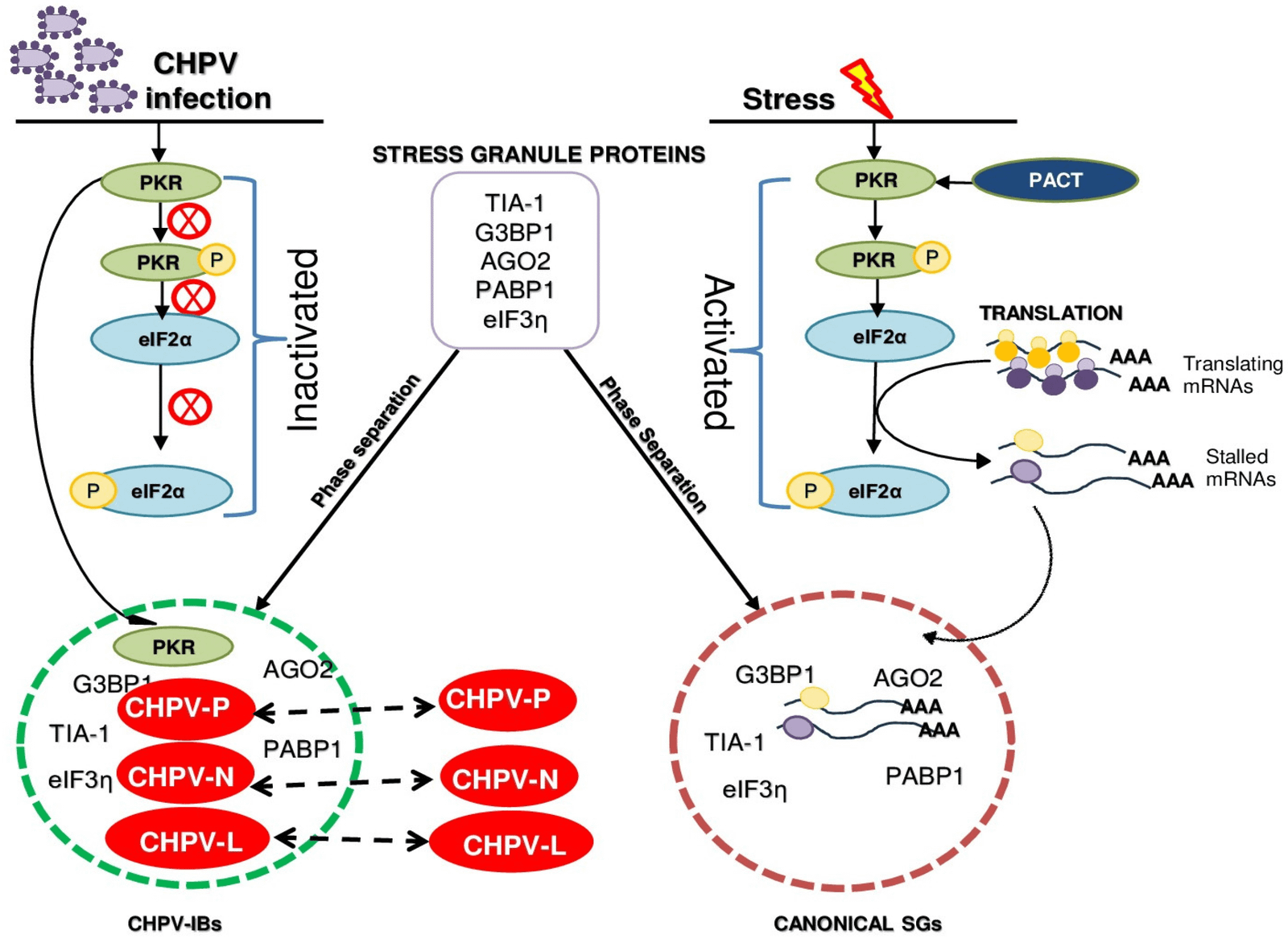
Sarkar S, Ganguly S, Ganguly NK, Sarkar DP, Sharma NR. Chandipura Virus forms cytoplasmic inclusion bodies through phase separation and proviral association of cellular protein kinase R and stress granule protein TIA-1. Viruses 2024;16:1027. https://doi.org/10.3390/v16071027.
Basak S, Mondal A, Polley S, Mukhopadhyay S, Chattopadhyay D. Reviewing Chandipura: a vesiculovirus in human epidemics. Biosci Rep 2007;27:275–98. https://doi.org/10.1007/s10540-007-9054-z.
Sharma NR, Gadhave K, Kumar P, Saif M, Khan MdM, Sarkar DP, et al. Analysis of the dark proteome of Chandipura virus reveals maximum propensity for intrinsic disorder in phosphoprotein. Sci Rep 2021;11:13253. https://doi.org/10.1038/s41598-021-92581-6.
Ghosh S, Basu A. Neuropathogenesis by Chandipura virus: An acute encephalitis syndrome in India. Natl Med J India 2017;30:21–5. https://nmji.in/neuropathogenesis-by-chandipura-virus-an-acute-encephalitis-syndrome-in-india/
Cherian SS, Gunjikar RS, Banerjee A, Kumar S, Arankalle VA. Whole Genomes of Chandipura virus isolates and comparative analysis with other rhabdoviruses. PLoS One 2012;7:e30315. https://doi.org/10.1371/journal.pone.0030315.
Kumar S, Jadi RS, Anakkathil SB, Tandale B V, Mishra AC, Arankalle VA. Development and evaluation of a real-time one step Reverse-Transcriptase PCR for quantitation of Chandipura Virus. BMC Infect Dis 2008;8:168. https://doi.org/10.1186/1471-2334-8-168.
Menghani S, Chikhale R, Raval A, Wadibhasme P, Khedekar P. Chandipura Virus: An emerging tropical pathogen. Acta Trop 2012;124:1–14. https://doi.org/10.1016/j.actatropica.2012.06.001.
Geevarghese G, Arankalle VA, Jadi R, Kanojia PC, Joshi M V., Mishra AC. Detection of Chandipura virus from sand flies in the genus sergentomyia (diptera: phlebotomidae) at Karimnagar district, Andhra Pradesh, India. J Med Entomol 2005;42:495–6. https://doi.org/10.1093/jmedent/42.3.495.
Shepherd JG, Davis C, Streicker DG, Thomson EC. Emerging Rhabdoviruses and Human Infection. Biology (Basel) 2023;12:878. https://doi.org/10.3390/biology12060878.
Ayhan N, Charrel RN. Of phlebotomines (sandflies) and viruses: a comprehensive perspective on a complex situation. Curr Opin Insect Sci 2017;22:117–24. https://doi.org/10.1016/j.cois.2017.05.019.
Maia C. Sand fly borne diseases in Europe: epidemiological overview and potential triggers for their emergence and re-emergence. J Comp Pathol 2024;209:6–12. https://doi.org/10.1016/j.jcpa.2024.01.001.
Depaquit J, Grandadam M, Fouque F, Andry PE, Peyrefitte C. Arthropod-borne viruses transmitted by Phlebotomine sandflies in Europe: a review. Euro Surveill 2010;15:19507. https://doi.org/10.2807/ese.15.10.19507-en
Adnyana IMDM, Utomo B, Eljatin DS, Sudaryati NLG. One Health approach and zoonotic diseases in Indonesia: urgency of implementation and challenges. Narra J 2023;3:e257. https://doi.org/10.52225/narra.v3i3.257.
Adnyana IMDM. The Imperative of a comprehensive One Health approach for mosquito-borne disease control in Indonesia. Qeios 2024:6JT36Y. https://doi.org/10.32388/6JT36Y.
Shahhosseini N, Paquette S-J, Kayedi MH, Abaei MR, Sedaghat MM. Genetic characterization of sandfly borne viruses in phlebotomine sandflies in Iran. Microorganisms 2023;11:2754. https://doi.org/10.3390/microorganisms11112754.
Damle RG, Sankararaman V, Bhide VS, Jadhav VK, Walimbe AM, Gokhale MD. Molecular evidence of Chandipura virus from sergentomyia species of sandflies in Gujarat, India. Jpn J Infect Dis 2018;71:247–9. https://doi.org/10.7883/yoken.JJID.2017.397.
Adnyana IMDM, Sudaryati NLG, Adiwinoto RP. Digital polymerase chain reaction (dPCR): advancements and applications in contemporary laboratory practice. 1st ed. United Kingdom: LAP LAMBERT Academic Publishing; 2024.
Kinsella P, Moso M, Martin G, Karapangiotidis T, Karamalakis D, Nicholson S, et al. Laboratory evaluation of ELISA and indirect immunofluorescence assay in response to emergence of Japanese encephalitis virus genotype IV in Australia. J Clin Virol 2023;168:105580. https://doi.org/10.1016/j.jcv.2023.105580.
Damle RG, Sankararaman V, Bhide VS, Mahamuni SA, Walimbe AM, Cherian SS. Genetic characterization of the glycoprotein G of Chandipura viruses in India with emphasis on an outbreak of 2015. Infect Gen Evol 2017;55:112–6. https://doi.org/10.1016/j.meegid.2017.09.002.
Alqassim AY. Social, behavioral and environmental determinants of vector-borne diseases: A narrative review of evidence and implications for integrated control approaches. J Vector Borne Dis 2024;61:525–35. https://doi.org/10.4103/JVBD.jvbd_34_24.
Perillo T, Capasso R, Pinto A. Neuroimaging of the most common meningitis and encephalitis of adults: a narrative review. Diagnostics 2024;14:1064. https://doi.org/10.3390/diagnostics14111064.
Granerod J, Davies NWS, Mukonoweshuro W, Mehta A, Das K, Lim M, et al. Neuroimaging in encephalitis: analysis of imaging findings and interobserver agreement. Clin Radiol 2016;71:1050–8. https://doi.org/10.1016/j.crad.2016.03.015.
Jayaraman K, Rangasami R, Chandrasekharan A. Magnetic resonance imaging findings in viral encephalitis: a pictorial essay. J Neurosci Rural Pract 2018;09:556–60. https://doi.org/10.4103/jnrp.jnrp_120_18.
Pavitrakar D V., Bondre VP. Antiviral effect of Favipiravir against Chandipura virus in vitro and in vivo. J Med Virol 2023;95:28840. https://doi.org/10.1002/jmv.28840.
Adnyana IMDM, Utomo B. Dengue elimination challenges in Bali: A one health perspective. Nat J Community Med 2023;14:544–6. https://doi.org/10.55489/njcm.140820233034.
Rahman MdS, Ekalaksananan T, Zafar S, Poolphol P, Shipin O, Haque U, et al. Ecological, social, and other environmental determinants of dengue vector abundance in urban and rural areas of Northeastern Thailand. Int J Environ Res Public Health 2021;18:5971. https://doi.org/10.3390/ijerph18115971.
Adnyana IMDM, Surya A. Strategy to control and eradicate dengue hemorrhagic fever vectors in Bali. Int J Publ Health Sci 2023;12:196. https://doi.org/10.11591/ijphs.v12i1.22201.
Pal M, Rebuma T, Berhanu W, Endale B, Zende R. Monkeypox: a new challenge in global health security. Am J Epidemiol Infect Dis 2024;12:37–43. https://doi.org/10.12691/ajeid-12-3-2.
Sellers S, Ebi K. Climate change and health under the shared socioeconomic pathway framework. Int J Environ Res Public Health 2017;15:3. https://doi.org/10.3390/ijerph15010003.
Downloads
Published
How to Cite
Issue
Section
License
Copyright (c) 2025 Rugved Parmar, Ranjeet Parihar, Tesfaye Rebuma, Mahendra Pal (Author)

This work is licensed under a Creative Commons Attribution-NonCommercial-NoDerivatives 4.0 International License.
This license enables reusers to copy and distribute the material in any medium or format in unadapted form only, for noncommercial purposes only, and only so long as attribution is given to the creator.